Dryer Repair Services
Dryer Repair Services in Forest Hills, NY
When a dryer stops working properly, it disrupts the entire household routine. From damp clothes piling up to unexpected energy bills, the inconvenience is immediate. Homeowners searching for Dryer Repair Services in Forest Hills, NY need solutions that go beyond temporary fixes. A dryer that fails to perform as it should often signals underlying issues that require careful attention. Many common dryer problems share similar symptoms. Clothes remaining wet after a full cycle, a drum that will not turn, or strange thumping sounds all point to specific faults. Recognizing these signs early prevents more extensive damage. One of the most frequent complaints involves a dryer that runs but does not produce heat. Without adequate warmth, moisture cannot evaporate, leaving laundry damp no matter how long the cycle runs. In electric models, a failed heating element is common; in gas dryers, the igniter or gas valve coils may be at fault. A blown thermal fuse or a malfunctioning thermostat can also cut off heat. Understanding what goes wrong inside a dryer is the first step toward reliable Dryer Repair Services in Forest Hills, NY.
Drum rotation problems create a different kind of frustration. When the motor, belt, or idler pulley wears out, the drum will not spin, and clothes sit motionless. A faulty door switch can also prevent the drum from starting. These components work together, and a weakness in any one can halt the machine. Noisy operation is another clear indicator of trouble. Squealing, grinding, or rattling sounds often come from worn drum rollers, damaged glides, or a failing blower wheel. Left unaddressed, these small mechanical failures can cause additional wear on surrounding parts. Precision diagnostics make all the difference when you need Dryer Repair Services in Forest Hills, NY. At Mike’s Appliance Repair, systematic testing confirms every diagnosis before any work begins. A technician who thoroughly tests thermostats, sensors, and the control board can isolate the root cause instead of swapping parts on a guess. Moisture sensors are often overlooked but play a crucial role in automatic drying cycles. When coated with residue from fabric softeners or detergent, they fail to detect dampness accurately, causing under-drying or excessive run times. Cleaning or replacing the sensor bar restores proper function and helps the dryer shut off at the right moment.
Airflow is just as critical as heat generation. A clogged vent or restricted ductwork forces the dryer to work harder, increasing drying time and internal temperatures. This strain can damage thermostats, heating elements, and create a fire hazard. Ignoring airflow problems can lead to repeated breakdowns, which is why comprehensive Dryer Repair Services in Forest Hills, NY always include an inspection of the venting system. Cleaning the vent pathway and checking the external hood for blockages makes a noticeable difference. Many homeowners notice energy bills creeping up without realizing the dryer is the culprit. A machine that runs multiple cycles to dry one load consumes far more electricity or gas than necessary. Addressing the root cause, whether a failing heating element or restricted airflow, brings efficiency back to normal levels. Investing in professional Dryer Repair Services in Forest Hills, NY often pays for itself through lower utility costs. When a dryer receives the attention it deserves from knowledgeable hands, it can serve a household reliably for many years. That’s the real value of choosing experienced Dryer Repair Services in Forest Hills, NY. With the right approach, every component works together safely and efficiently, keeping laundry day predictable and stress-free.
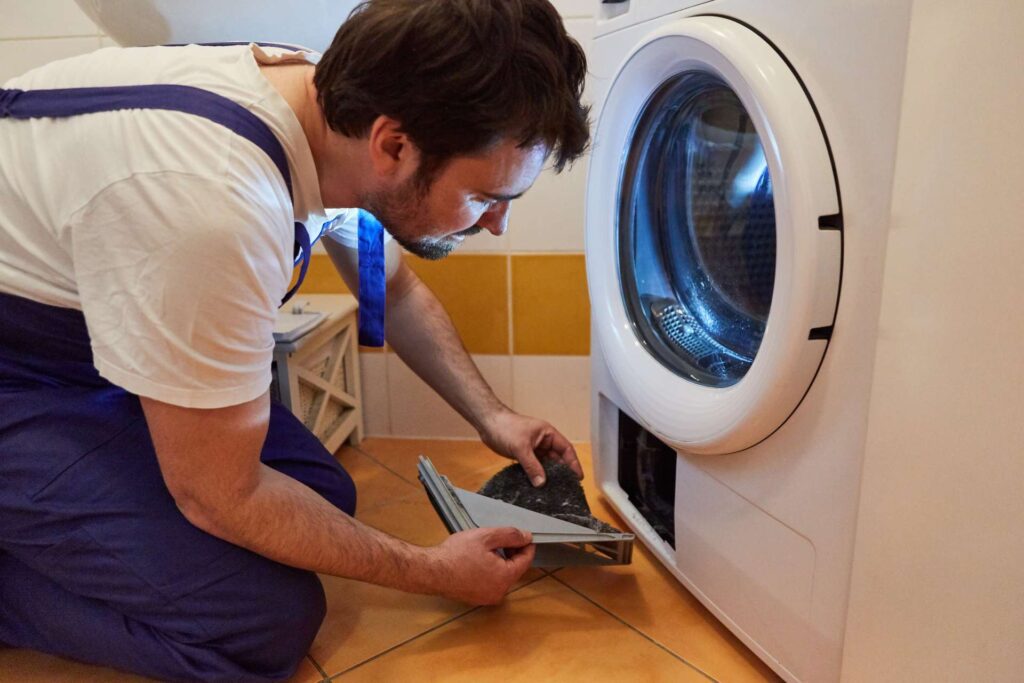
How Proper Ventilation Extends the Life of Your Dryer
Many dryer repairs stem from overlooked ventilation issues. A clear exhaust path allows moisture and heat to exit efficiently, reducing strain on internal components. Regular vent cleaning not only shortens drying times but also prevents overheating that can damage thermostats and heating elements. Over years of use, lint and debris accumulate inside the ductwork even if the lint screen is cleaned after every load. This buildup restricts airflow, forces the machine to work harder, and increases wear on belts and motors. By maintaining proper ventilation, homeowners can avoid many common breakdowns and enjoy consistent drying performance. Simple habits like inspecting the outside vent cap and scheduling periodic duct cleanings help the appliance operate safely and efficiently, ultimately adding years to its useful life.
Do you have any common questions ?
Long drying times often point to restricted airflow from a clogged vent or a failing heating element. A worn thermostat can also cause the dryer to cycle off prematurely. Cleaning the lint filter and vent duct may resolve the issue, but persistent problems usually require a professional inspection of internal components.
A dryer that runs without heat commonly has a failed heating element, a blown thermal fuse, or a defective thermostat. In gas models, the igniter or gas valve coils may have failed. These parts work within safety circuits that shut off heat if temperatures rise too high, so diagnosing the exact cause is important.
Loud squealing, grinding, or thumping noises usually indicate worn drum rollers, a damaged belt, or a failing blower wheel. Continuing to run the dryer can cause further damage to surrounding parts and increase repair costs. It is safer to stop using the machine and have the source of the noise identified and repaired.
Most homes benefit from having the dryer vent professionally cleaned once a year. Households with large families or pets may need cleaning more frequently. A clean vent improves drying efficiency, reduces energy consumption, and lowers the risk of overheating, which protects both the appliance and the home from potential fire hazards.
Professional diagnostics pinpoint the exact cause of a problem rather than guessing. Technicians test each component systematically, from thermostats and sensors to the control board. This approach prevents unnecessary part replacements, ensures safe operation, and often reveals minor issues before they develop into major failures, saving time and money over the long term.